Inspiring a love of learning
For children who have grown up working in brick factories, fields or alongside their families, education hasn’t always felt like somewhere they belong.
In some of the communities where we work in Rautahat, school attendance was once as low as 25%. Many children are the first generation in their families to go to school, with few books at home, nowhere quiet to study and little opportunity to experience learning outside a traditional classroom.
We wanted to change that.
Not by simply telling children that education is important – but by creating a place where they could discover that learning can actually be fun.
More than a library
In 2023, with support from The Didi Project, we opened our first library in Rautahat.
It quickly became much more than somewhere to borrow a book.
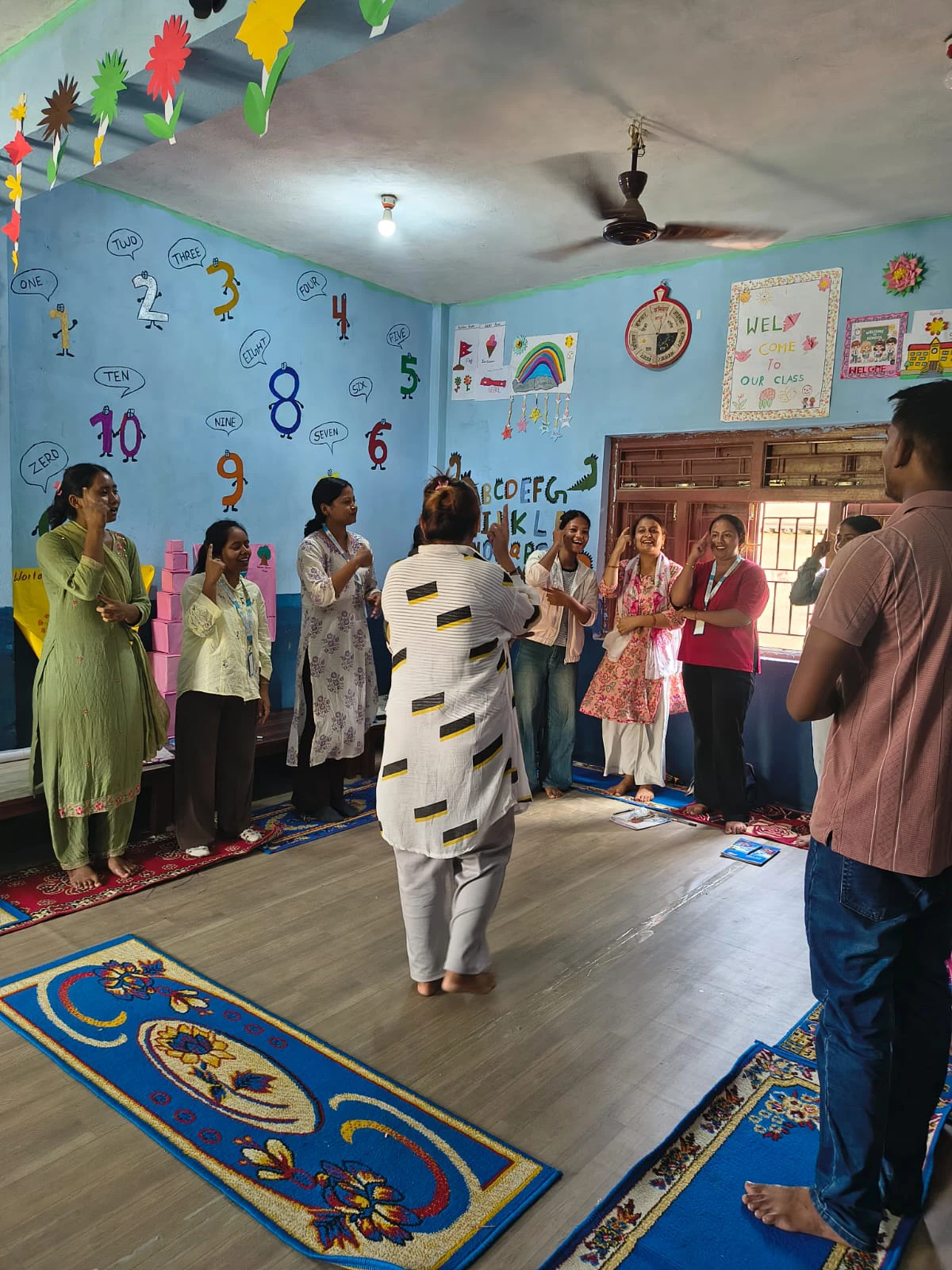
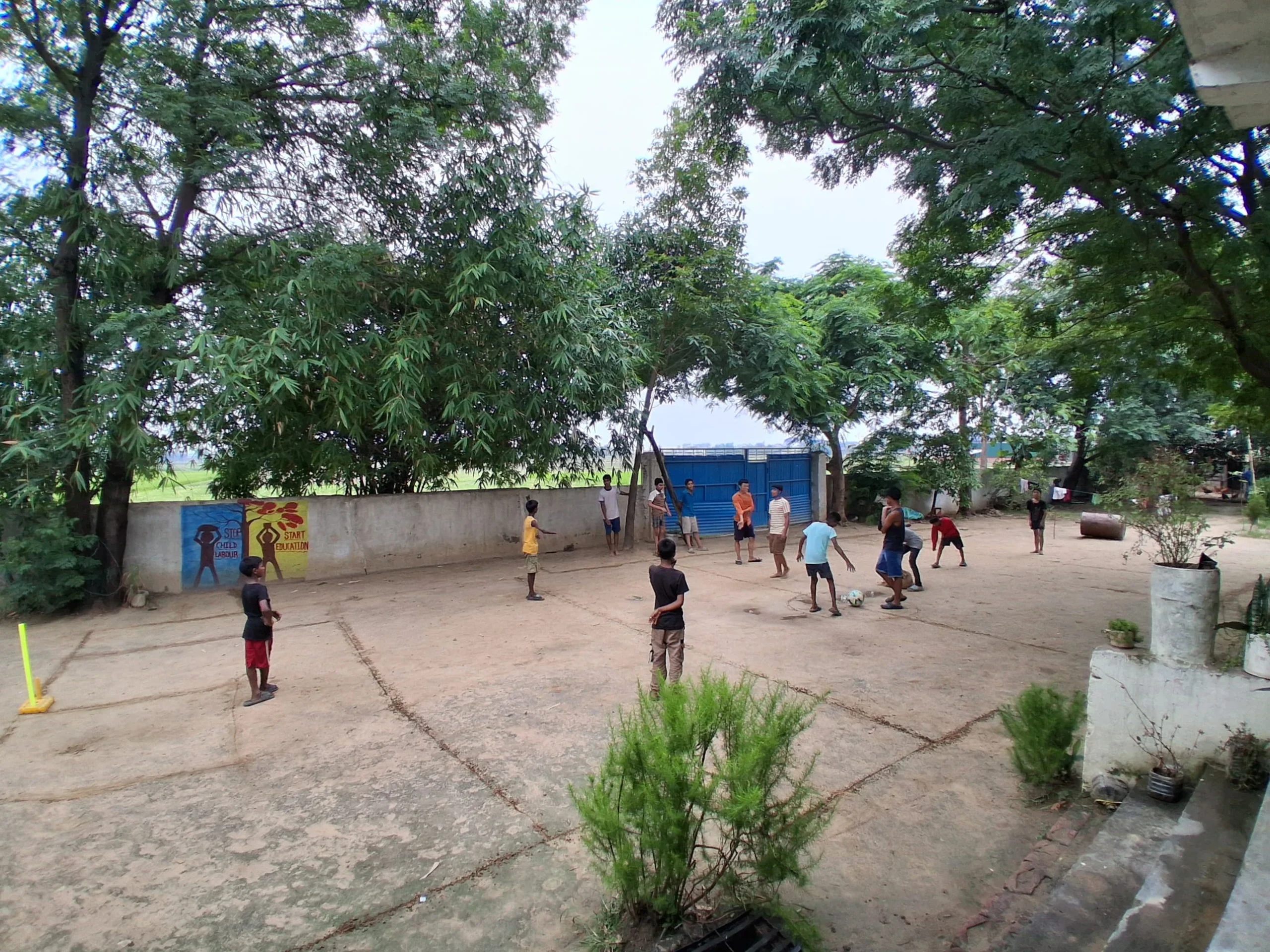
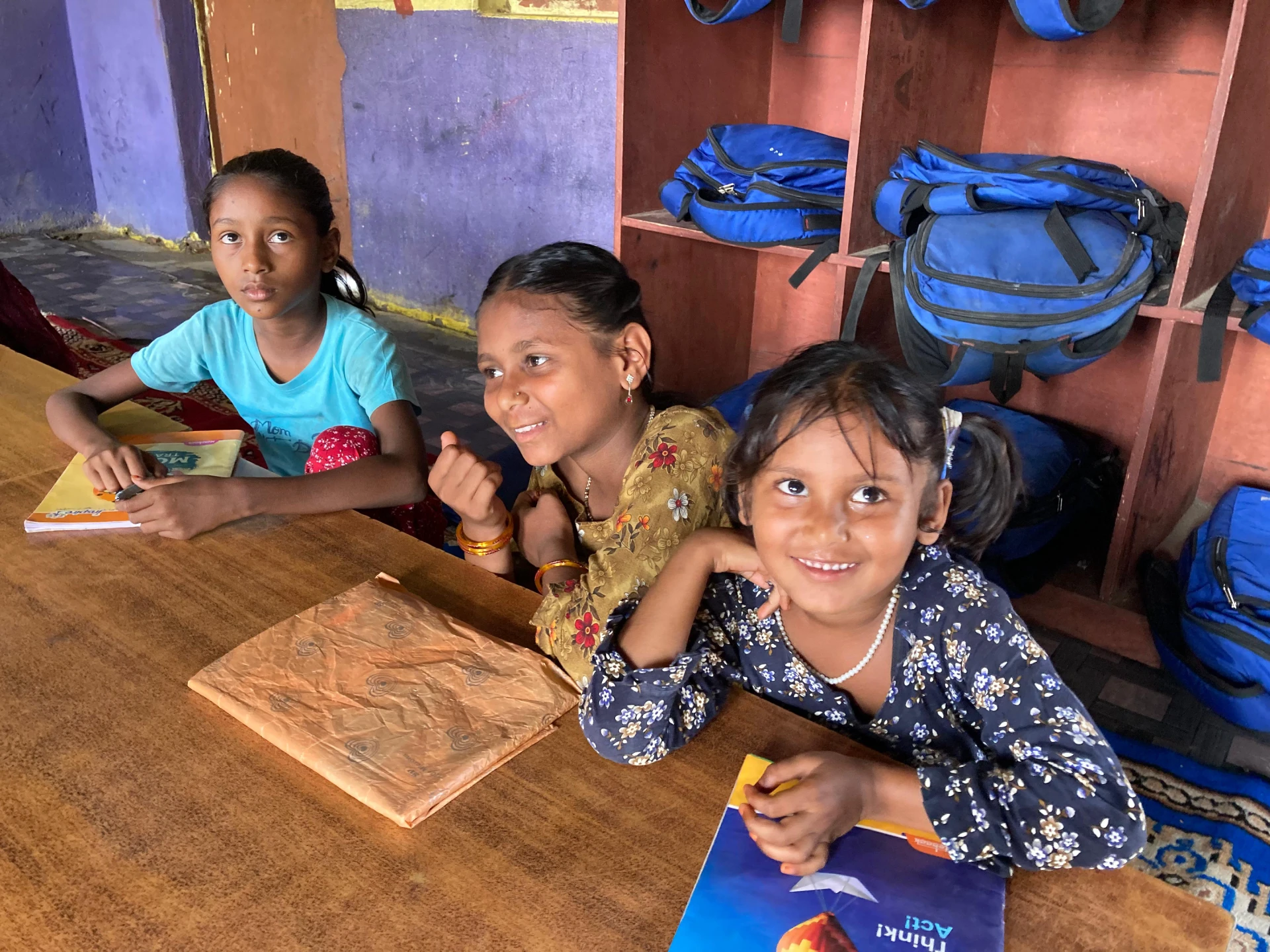
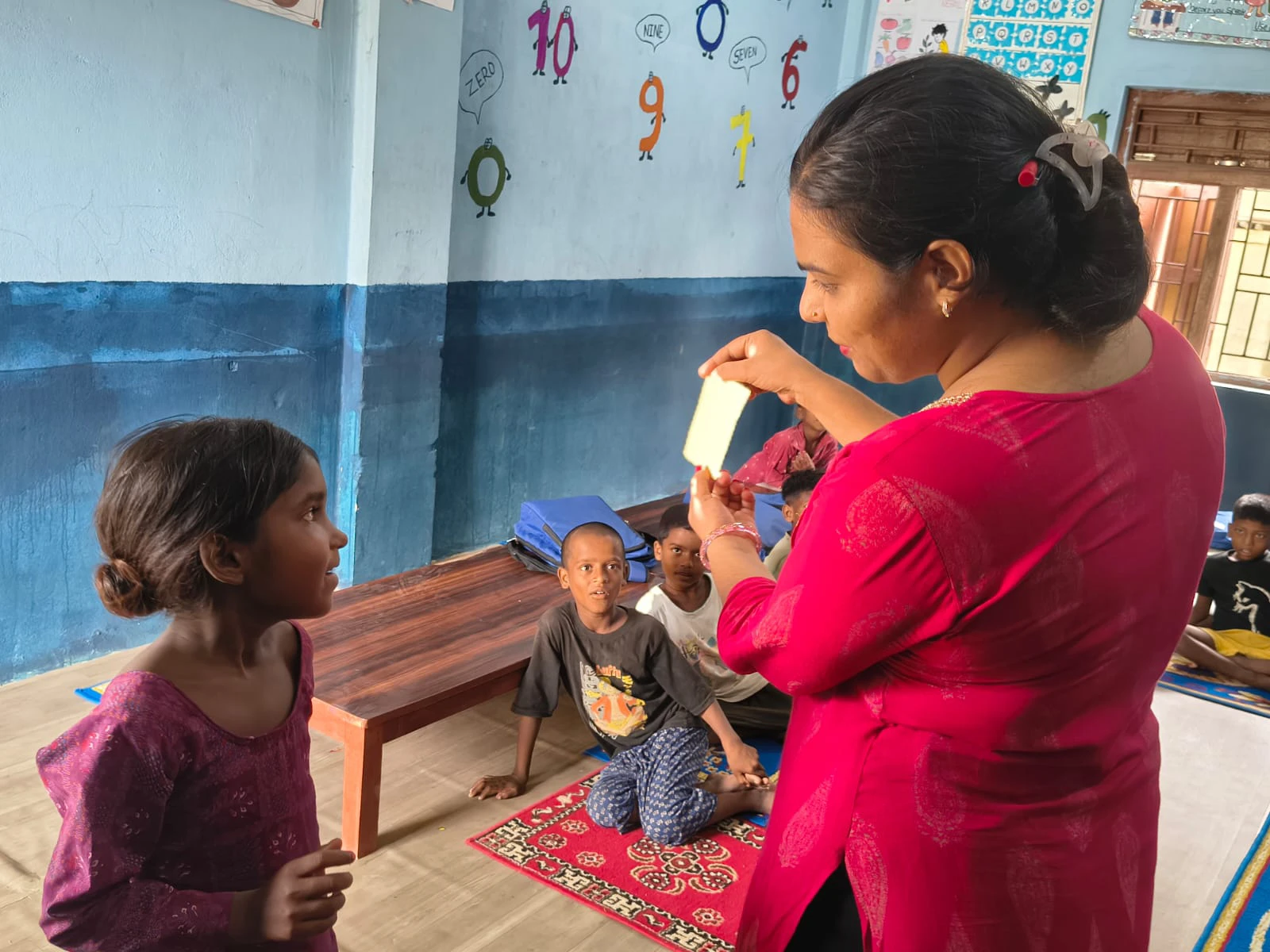
Children come for extra classes and support with their schoolwork and exams. They read, play educational games, take part in creative activities and discover new interests. There are movie nights, sports, celebrations of local festivals and plenty of opportunities simply to spend time with friends in a safe and positive environment.
And we are seeing the difference.
Children use the library
From 25% to 75%
In school attendance
Children who once needed persuading to attend school are becoming excited about learning and increasingly taking ownership of their education.
“I did not want to work at the factory, but the money that my family would get meant that I had no choice. Whilst moulding the bricks, I never realised I had to be moulded too through education.”
– Samir, 13
Opening another door
The success of our first library also showed us how many children we still couldn’t reach.
Distance matters. For children living in surrounding villages, particularly those from families experiencing poverty, travelling regularly to our existing library simply isn’t realistic.
So we are opening a second one.
From November 2026, another Open Door Library will bring the same opportunities closer to children living in a different part of Rautahat.
The local community has provided a building for us to use free of charge. We are renovating and equipping it to create another welcoming, safe and inspiring space where children can learn, play, explore and imagine what their futures could look like.
With two libraries, we will be able to reach many more children – both those participating in our End to Child Labour Programme and children from the wider Dalit communities around them.
Learning beyond the classroom
Our libraries are closely connected to the education work taking place throughout our End to Child Labour Programme.
The same teachers who support children across the programme also deliver classes and activities at the libraries. This means that support doesn’t end when the school day does.
A child struggling with a subject can get extra support. Someone preparing for an exam has somewhere to study. A child who has never picked up a book for enjoyment can discover one. And a young person who isn’t yet convinced that education is for them can come for a game, a film or an activity – and perhaps discover something that changes their mind.
Because sometimes the first step towards loving education is simply finding a reason to walk through the door.
Families and communities are part of the story
Keeping children in education cannot happen in isolation.
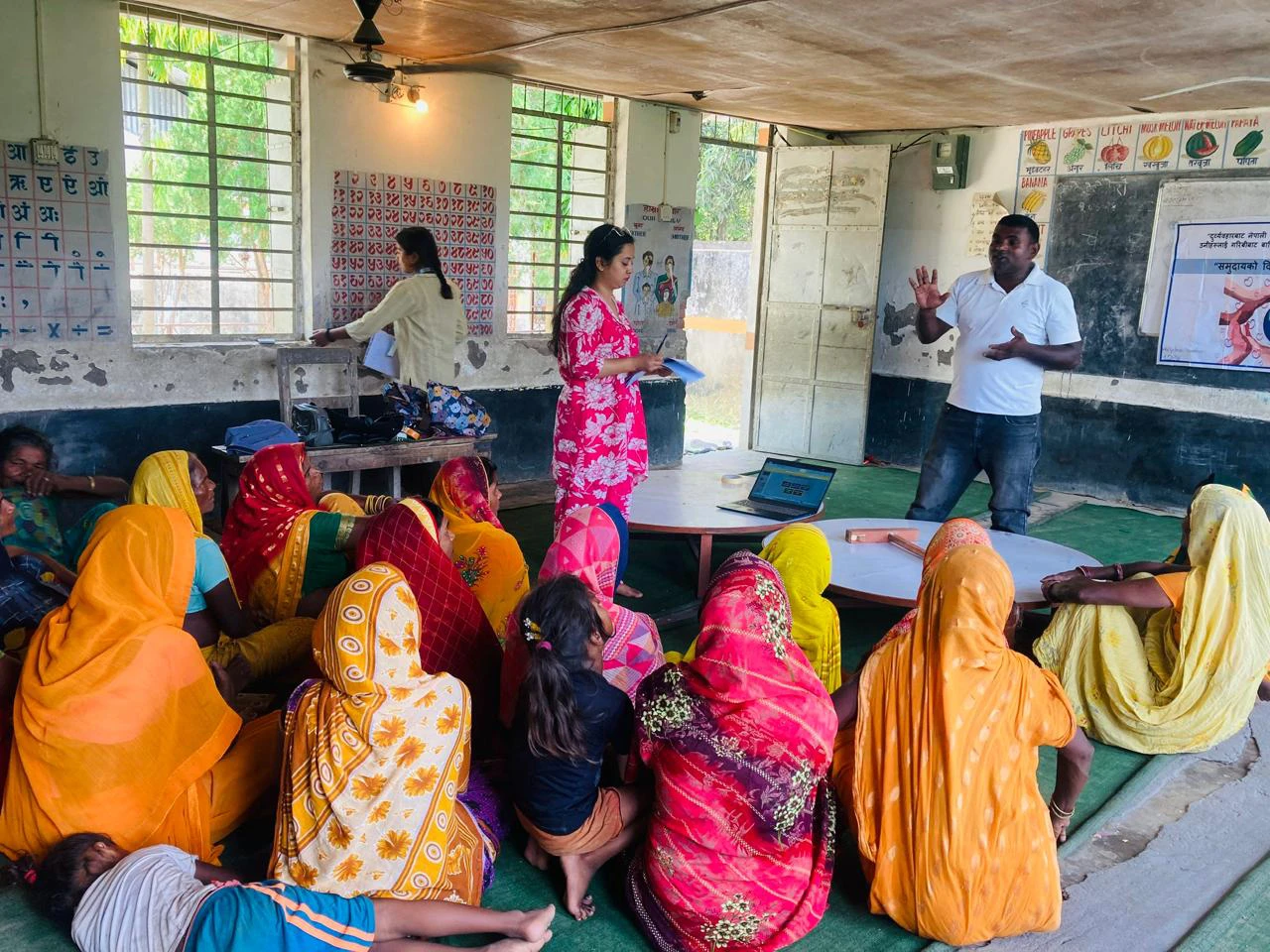
We work closely with parents and wider communities through regular meetings, home visits and community training. Together, we talk about the importance of education and the issues that can prevent children from staying in school, including child labour and child marriage.
The libraries give us another way to bring communities together around their children’s education – creating spaces that belong not just to our programme, but to the communities themselves.
The start of something bigger
Our aim isn’t simply for children to stop working.
We want them to stay in school, enjoy learning and complete their education.
The Open Door Libraries are helping make that possible.
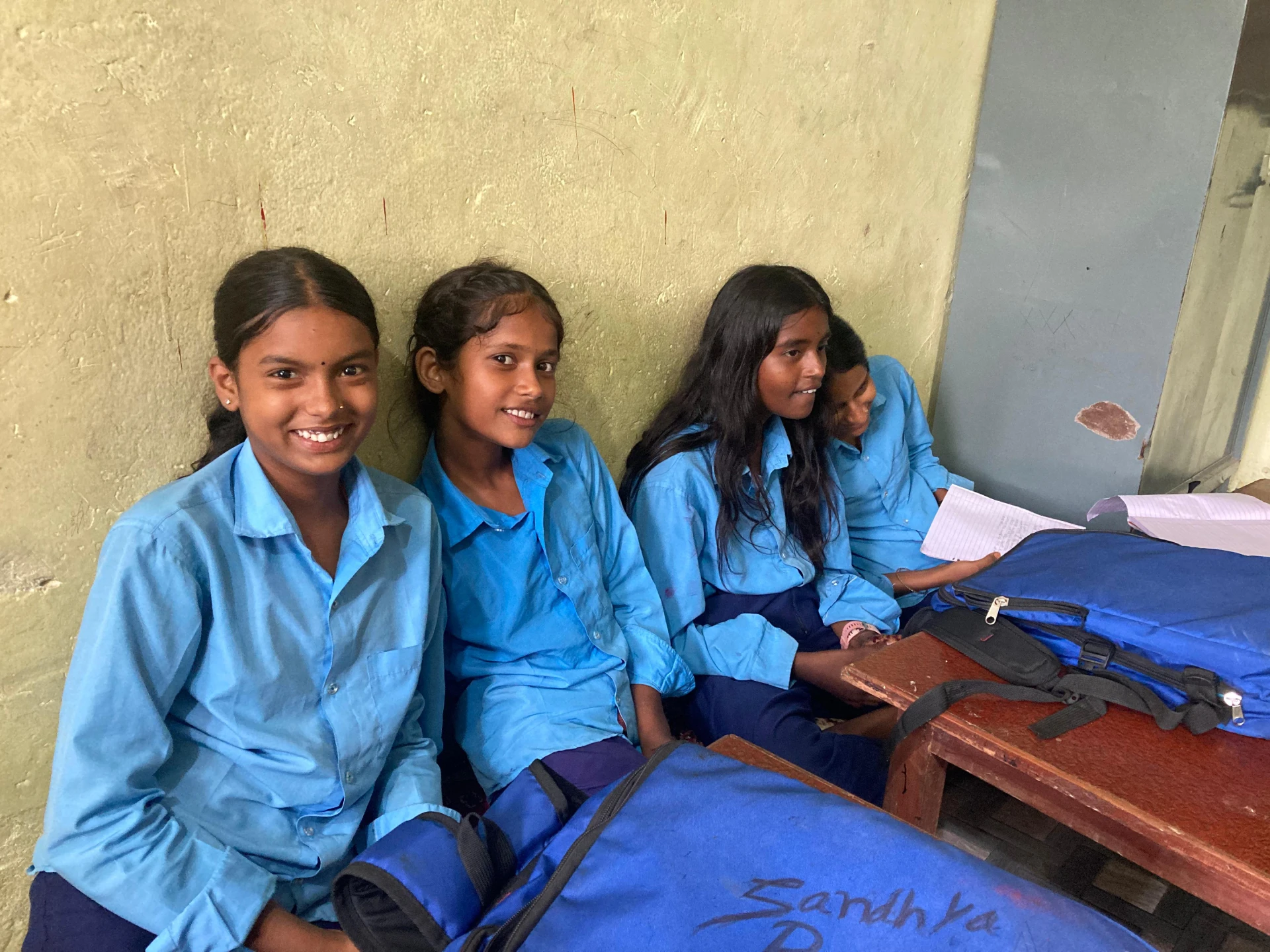
They are places to read and study, but also to play, make friends, celebrate, ask questions, discover talents and experience a childhood beyond work.
A door into learning. A door into opportunity. And, for some children, a door into a completely different future.